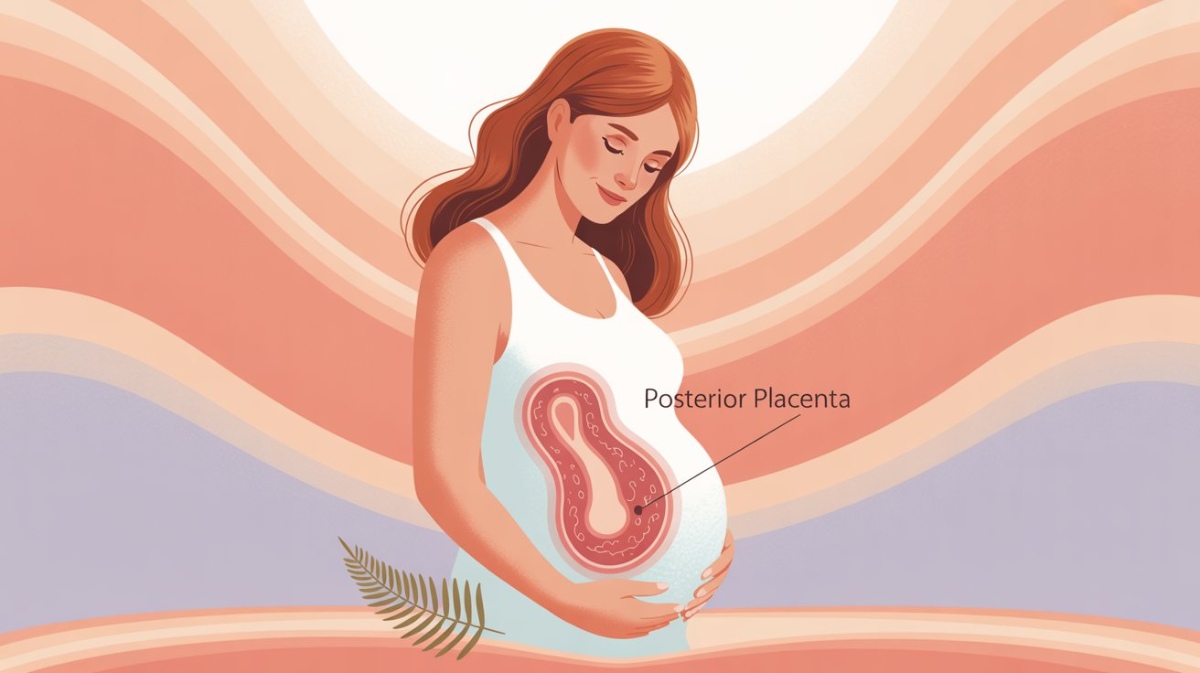
The placenta plays a vital role in supporting your baby’s development during pregnancy. One of the most common and medically favorable positions is the posterior placenta, but what does that mean exactly? Posterior placenta is when the placenta attaches to the back wall of the uterus, facing the mother’s spine. This position is considered ideal in many cases, offering various benefits to both the mother and baby throughout pregnancy and labor.
What Does a Posterior Placenta Mean?
The posterior position of the placenta means it implants on the back (posterior) side of the uterus. It is diagnosed during an ultrasound scan, typically around 18–20 weeks of gestation during the anatomy scan.
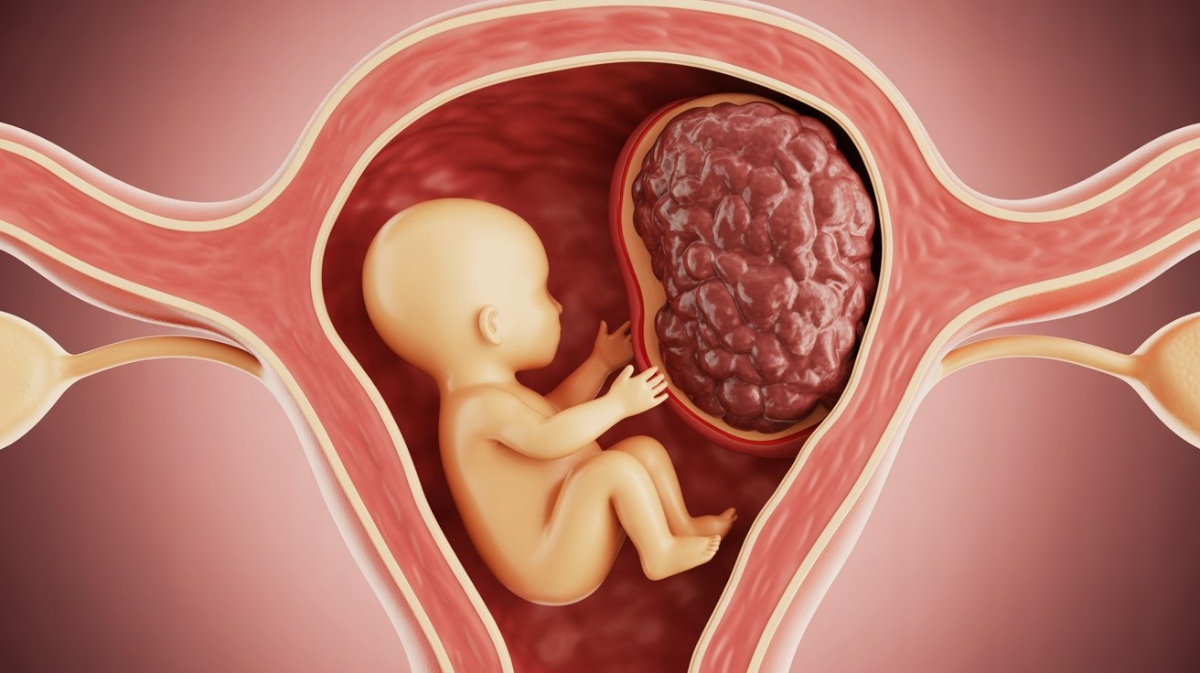
Key Characteristics:
- Positioned toward your back
- Allows a clearer abdominal scan of the baby
- Typically allows a better sensation of baby movements
Benefits of Having a Posterior Placenta
Is usually non-problematic and even beneficial in many pregnancies. Here are some reasons why:
Easier Detection of Baby Movements
With the placenta at the back, there’s less cushioning in the front, making baby kicks and movements easier to feel earlier, sometimes as early as 16–18 weeks.
Favorable for Labor
During a vaginal delivery, a posterior poses less obstruction to the birth canal compared to other positions, like an anterior or low-lying placenta.
Clearer Ultrasound Imaging
Sonographers often get better imaging of the fetus when the placenta is located posteriorly.
Is a Posterior Placenta Normal?
Yes, it’s completely normal and very common. It does not usually indicate any complications. Many OB-GYNs consider this an “ideal” position unless other complications arise.
Posterior Placenta vs. Anterior Placenta
| Feature | Posterior Placenta | Anterior Placenta |
|---|---|---|
| Location | Back wall of the uterus | Front wall of the uterus |
| Movement Sensation | Felt earlier (around 16-18 weeks) | Felt later (around 20-24 weeks) |
| Ultrasound View | Generally clearer | May be slightly obscured |
| Labor Impact | Less likely to obstruct | May slightly affect fetal position |
Related Placental Positions to Know
To build a complete understanding, here are other placenta positions:
- Anterior placenta: front wall of the uterus
- Fundal placenta: top of the uterus
- Low-lying placenta: near the cervix (can risk previa)
- Placenta previa: covering the cervix — often requires C-section
Does the Placenta Position Change?
Yes, especially in early pregnancy. The placenta may “migrate” upward or to the side as your uterus grows. Most posterior remain in position and don’t cause problems.
When to Be Concerned
While a posterior placenta is usually a good sign, some warning signs during any pregnancy require medical attention:
- Bleeding or spotting
- Severe cramping
- Sudden decrease in fetal movement
- Diagnosis of placenta previa or placental abruption (rare with posterior placenta)
Always consult your OB-GYN if you experience any unusual symptoms.
How Does It Affect a Baby’s Growth?
The position of the placenta (posterior or otherwise) does not impact the baby’s growth as long as it is functioning well and blood flow is normal.
Can I Sleep on My Back With a Posterior Placenta?
It’s best to sleep on your left side from the second trimester onward, regardless of placenta position. This promotes better blood flow and oxygen to your baby.
Conclusion:
Understanding the posterior placenta during pregnancy can ease concerns and help you feel more confident about your journey. This placenta position is common and beneficial in many cases, allowing for earlier baby movement, clear ultrasounds, and a more favourable labour experience. You’re taking proactive steps toward a healthy and informed pregnancy by learning about the posterior placenta’s meaning, benefits, and how it compares to other placenta positions like anterior or low-lying placenta.
If your healthcare provider has told you you have a posterior placenta, rest assured—it’s usually a positive sign. Keep attending regular prenatal visits, focus on your health, and trust your body.
Frequently Asked Questions(FAQs)
Is a posterior placenta good or bad?
It’s generally considered a good or favorable position for pregnancy and delivery.
Will I feel my baby kick earlier with a posterior placenta?
Yes, due to less cushioning in front, you may feel movements as early as 16–18 weeks.
Can a posterior placenta become anterior later?
Unlikely. The placenta can shift slightly, but rarely changes to the opposite wall.
Does a posterior placenta affect C-section delivery?
No, it typically does not interfere with a C-section unless other complications arise.
Is there a connection between placenta position and gender?
Some old wives’ tales suggest this, but no scientific evidence supports a link between placenta position and a baby’s gender.