
Finding out if you’re pregnant is one of the most emotional and significant moments in a woman’s life. Whether you’re hoping for a positive or fearing a surprise, understanding how pregnancy tests work, when to take them, and what results mean can provide clarity and reduce stress.
This guide will cover everything you need about pregnancy test, including timing, accuracy, early signs, and what to do next.
What Is a Pregnancy Test?
A pregnancy test detects the existence of the hormone human chorionic gonadotropin (hCG) in your urine or blood. This hormone is released only after a fertilized egg attaches to the uterine lining, typically about 6 to 12 days after ovulation. This hormone is released only after a fertilized egg attaches to the uterine lining, typically about 6 to 12 days after ovulation.
Most over-the-counter pregnancy tests are urine-based home tests that check for hCG levels and can give results within minutes. When used correctly, these tests are easy to use, affordable, and accurate.
When Should You Take a Pregnancy Test?
The Best Time to Test
The perfect time to take a pregnancy test is on or after the first day of your missed period. This is when most tests are about 99% accurate. Testing too early may result in a false negative, particularly if your hCG levels are still too low to detect.
Some early-detection pregnancy tests claim to work 6 days before your missed period, but the earlier you test, the more likely you are to get an inaccurate result.
Why Morning Testing Is Best
Using your first urine of the day, testing in the morning provides the most concentrated sample of hCG. This makes it more likely that the test will pick up any hormone present.
Types of Pregnancy Tests
There are two main types of pregnancy tests:
1. Urine Tests (Home Pregnancy Tests)
- Available at pharmacies or online
- Easy to use at home
- Results in 1–5 minutes
- May display results using lines, plus/minus signs, or digital readouts
Home pregnancy tests are created to be simple and private. For reliable results, they’re best used after your missed period.
2. Blood Tests (at a Doctor’s Office)
- Detect hCG earlier than urine tests
- Require a blood sample
- More sensitive and accurate
- Can provide quantitative (exact hCG levels) or qualitative (yes/no) results
Blood tests are commonly used in clinical settings if early detection or close monitoring is needed (e.g., fertility treatment or suspected complications).
How to Use a Home Pregnancy Test (Step-by-Step)
- Read the Instructions Carefully
- Each brand has slightly different steps and symbols.
- Use First Morning Urine
- This is when hCG is most concentrated.
- Collect or Hold
- Either urinate directly on the stick or manage your urine in a sterile cup and dip the stick.
- Wait for the Recommended Time
- Most tests require a wait of 1–5 minutes.
- Read the Results
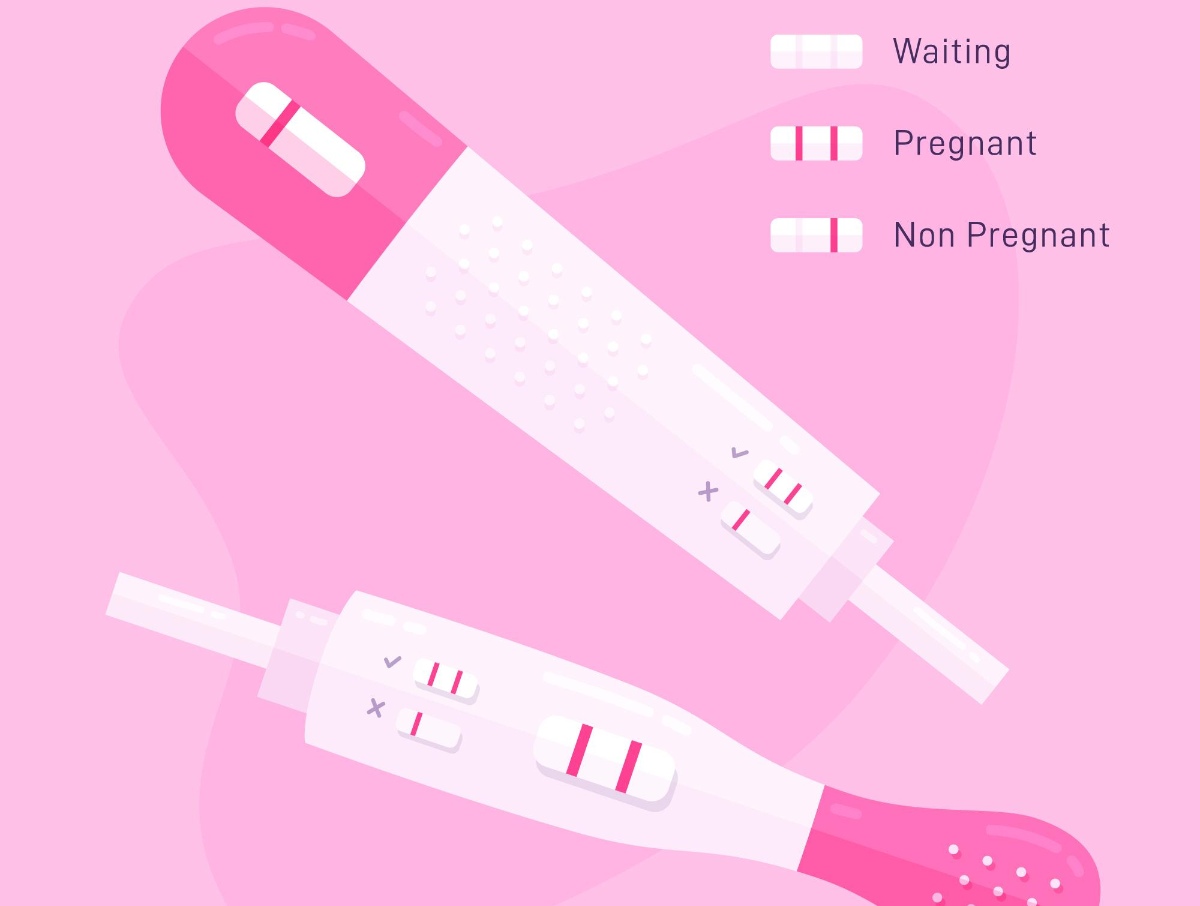
- Two bars, a plus sign, or a digital “pregnant” indicate a positive result.
- One line or “not pregnant” indicates a negative result.
- No line or error symbol may mean the test is invalid.
Understanding the Results
Positive Test
If your test is positive — even with a faint line — it’s likely that you are pregnant. However, following up with a healthcare provider to confirm the pregnancy with a clinical test and begin prenatal care is essential.
Negative Test
If the result is negative, but you still haven’t gotten your period:
- You may have tested too early.
- Your cycle could be irregular.
- You may want to retest in a few days.
False Results
False positives are infrequent but may occur due to:
- Certain fertility medications (containing hCG)
- Recent pregnancy loss
- Faulty test kits
False negatives are more common and are usually caused by:
- Testing too early
- Diluted urine
- Incorrect test usage
Signs You Might Be Pregnant
Before taking a test, you might notice some early pregnancy symptoms. These include:
- Missed period
- Tender, swollen breasts
- Nausea (morning sickness)
- Increased urination
- Light spotting (implantation bleeding)
- Fatigue
- Mood swings
While these symptoms can also occur with PMS, experiencing several of them together may prompt you to take a test.
What to Do After a Positive Pregnancy Test
If you’ve received a positive result:
- Call Your OB-GYN
- Schedule a prenatal appointment for confirmation and guidance.
- Start Prenatal Vitamins
- Primarily, they contain folic acid, which is essential in early development.
- Avoid Harmful Substances
- Stop drinking alcohol, smoking, or using unapproved medications.
- Prepare Emotionally and Physically
- Whether this is your first pregnancy or not, having a plan and support system in place matters.
Conclusion
Taking a pregnancy test is often a life-changing moment filled with emotions — excitement, nervousness, hope, or uncertainty. Knowing how pregnancy tests work, when to take them, and how to interpret the results can make the experience less overwhelming and more empowering. Whether you’re trying to conceive or want reassurance, using the test correctly and at the right time increases your chances of getting an accurate result. If your test is positive, it’s the first step in beginning a healthy pregnancy journey, and if it’s negative but your period doesn’t arrive, don’t hesitate to retest or consult your doctor.
Most importantly, trust your instincts, care for your body, and remember that VityCare is here to guide and support you every step of the way.
Frequently Asked questions(FAQs)
How soon after sex can I take a pregnancy test?
Wait at least 10–14 days after unprotected sex, or test after your missed period, for the most accurate results.
Can I get a false negative on a pregnancy test?
Yes. Testing too early, diluted urine, or misusing the test can cause false negatives.
What causes a false positive pregnancy test?
Certain medications (like fertility drugs), recent miscarriage, or rare health conditions can cause false positives.
Do pregnancy tests expire?
Yes. Always check the expiration date on the package. Expired tests may give incorrect results.
Should I take more than one test?
If your result is negative but your period hasn’t started, test again in 2–3 days or consult your doctor.