If you’re expecting and approaching your glucose test, you’re likely wondering what you should (or shouldn’t) eat beforehand, especially if your appointment is scheduled early in the morning. What to Eat for Breakfast Before Pregnancy Glucose Test? The pregnancy glucose test is an important screening that helps your doctor check for gestational diabetes. This condition can affect both you and your baby’s health if not managed properly.
What to Eat for Breakfast Before Pregnancy Glucose Test
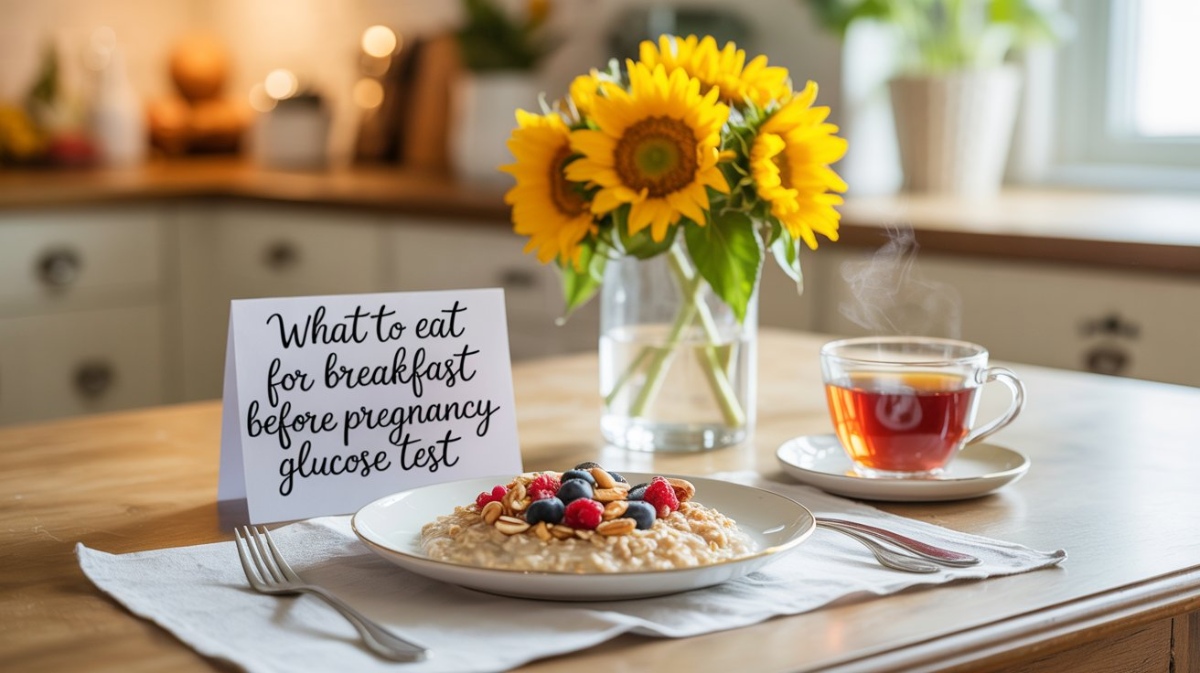
Many moms-to-be are told they don’t need to fast for the initial glucose screening, which raises a common question: “Can I eat breakfast before my pregnancy glucose test?” And if so, “What should I eat to avoid affecting my results?”
In this blog post, we’ll break down everything you need to know — What to Eat for Breakfast Before Pregnancy Glucose Test from the types of glucose tests, to the best breakfast foods, what to avoid eating, and how to prepare the right way for accurate and stress-free results.
I remember waking up nervous for my glucose test, wondering if my usual breakfast would mess up the results.
Why Glucose Testing Matters During Pregnancy
During pregnancy, a glucose screening test—often performed between weeks 24 and 28—is a vital tool used to check for gestational diabetes. This situation impacts how your body processes sugar and can lead to difficulties if not appropriately managed.
The test concerns drinking a sugar solution and then having your blood sugar levels measured. What you eat beforehand can affect your results, especially in non-fasting glucose tests. So it’s natural to wonder: What can I safely eat for breakfast before the glucose test?
Understanding the Types of Glucose Tests
Before deciding on your breakfast, it’s essential to know which type of test you’re having:
1. One-Hour Glucose Challenge Test (Non-Fasting)
- You typically do not need to fast.
- But eating a high-sugar or high-carb meal beforehand may lead to false positives.
2. Three-Hour Glucose Tolerance Test (Fasting Required)
- You must not eat or drink anything (except water) for 8–14 hours before the test.
Tip: Always confirm with your doctor whether fasting is required for your test.
Best Breakfast Foods to Eat Before the Glucose Test
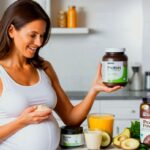
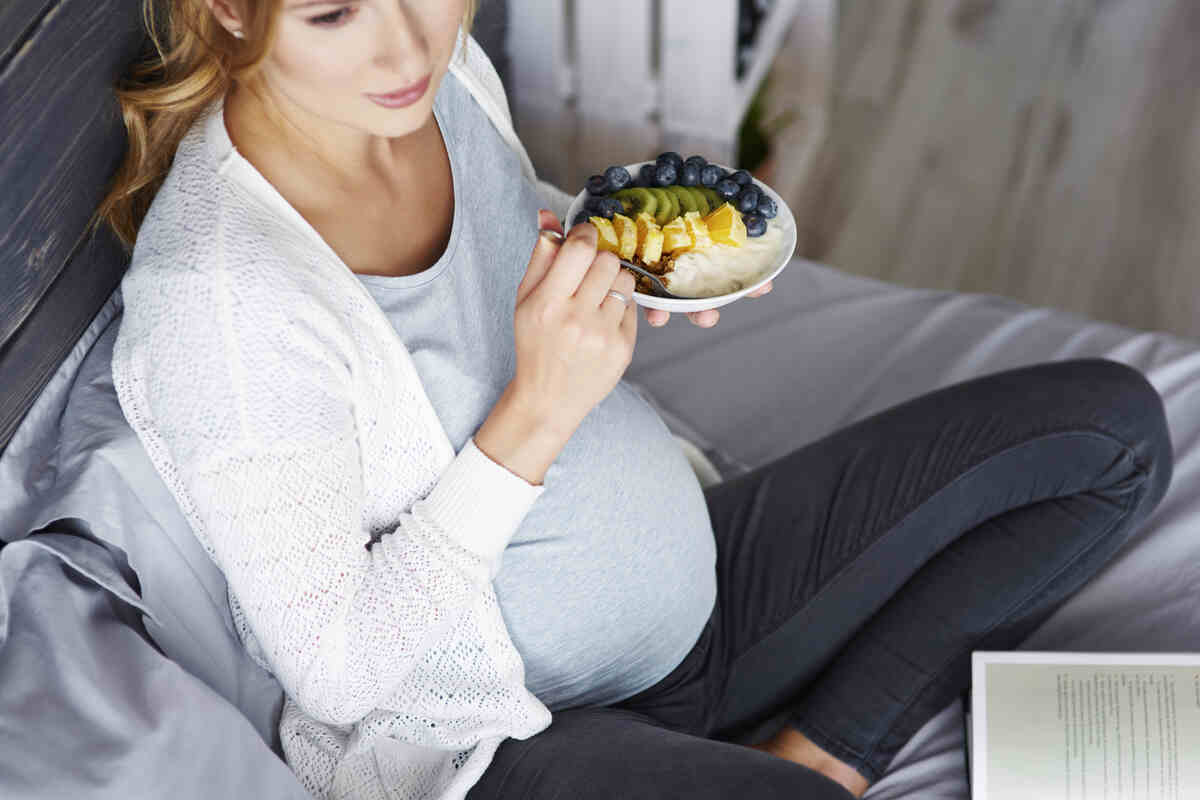
If your provider allows a light breakfast before your one-hour glucose test, go for low-glycemic, high-protein, and high-fiber foods that won’t spike your blood sugar.
Here’s what to include:
High-Protein Options
- Hard-boiled or scrambled eggs
- Unsweetened Greek yogurt
- Natural peanut butter on whole grain toast
Healthy Fats & Fiber
- Avocado on whole grain bread
- A handful of almonds or walnuts
- Plain oatmeal topped with chia seeds
Hydrating Beverages
- Water
- Unsweetened almond or coconut milk
- Herbal tea (avoid sweeteners)
These foods digest slowly, provide long-lasting energy, and help prevent sudden blood sugar spikes.
What Not to Eat Before the Test
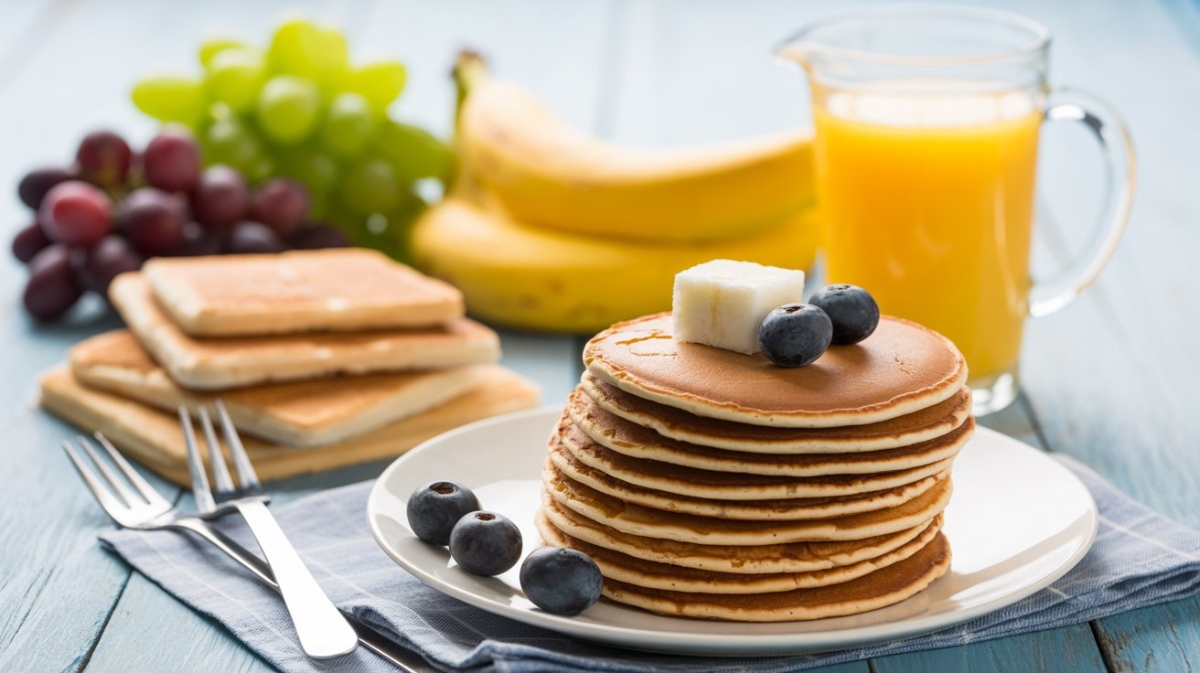
Avoid foods that are high in sugar or refined carbohydrates, as they can interfere with test accuracy.
Foods to Skip:
- Sweetened cereals
- Fruit juice (even 100%)
- Pancakes, waffles, or pastries
- Bananas, mangoes, or grapes
- White bread or bagels
- Coffee with sugar or sweetened creamers
Breakfast Choices Comparison Table
To help you quickly identify the best and worst breakfast options before your pregnancy glucose test, here’s a clear side-by-side table:
| Recommended Breakfast Foods | Avoid These Foods Before the Test |
|---|---|
| Scrambled or hard-boiled eggs | Sugary cereals or oatmeal with sugar |
| Avocado toast on whole grain bread | White bread or bagels |
| Plain Greek yogurt (unsweetened) | Flavored yogurt with fruit or sugar |
| Handful of nuts (almonds, walnuts) | Sweetened granola bars |
| Unsweetened almond or coconut milk | Fruit juices or smoothies with added sugar |
| Plain oatmeal with chia or flax seeds | Pancakes, waffles, syrup-laden foods |
| Water or herbal tea | Coffee with flavored creamers or sugar |
When Should You Eat Before the Test?
If you’re allowed to eat:
- Try to finish your light breakfast 1–2 hours before the test.
- Drink plenty of water to stay hydrated.
- Avoid heavy meals or sugary snacks in the hours leading up to the appointment.
If you’re fasting, skip breakfast altogether and stick to plain water only.
Take care of yourself during pregnancy with these helpful reads made just for you.
- Prenatal Nutrition: What to Eat and Avoid
- Chia Seeds During Pregnancy: Benefits & How to Eat
- Healthy Breakfast Ideas for Pregnant Women
Final Thoughts
Preparing for your pregnancy glucose test doesn’t have to be stressful. The key is to choose foods that support stable blood sugar—mainly protein-rich, whole foods—if eating is allowed. Avoid sugary and high-carb options that could lead to inaccurate results. And when in doubt, follow your healthcare provider’s guidance.
At VityCare, we’re here to walk with you every step of your pregnancy journey—from nutrition tips to emotional support. Be sure to explore our other articles for more expert advice on women’s health and prenatal wellness.
frequently Asked Questions (FAQs)
Can I eat a small meal before my pregnancy glucose test?
If it’s the one-hour test and your provider hasn’t instructed you to fast, a small, low-carb, high-protein breakfast is usually okay.
What happens if I eat sugar before the glucose test?
Eating sugary foods may lead to falsely high readings, requiring unnecessary follow-up testing.
Can I drink Coffee before my glucose test?
Avoid Coffee with sugar or flavored creamers. If you’re allowed, black Coffee in moderation may be fine—but ask your doctor.
What if I accidentally eat before a fasting glucose test?
Inform your provider right away. You may need to reschedule the test for accurate results.
Why do some tests allow eating and others don’t?
The one-hour screening is non-fasting, while the three-hour test requires fasting for more precise glucose measurements.