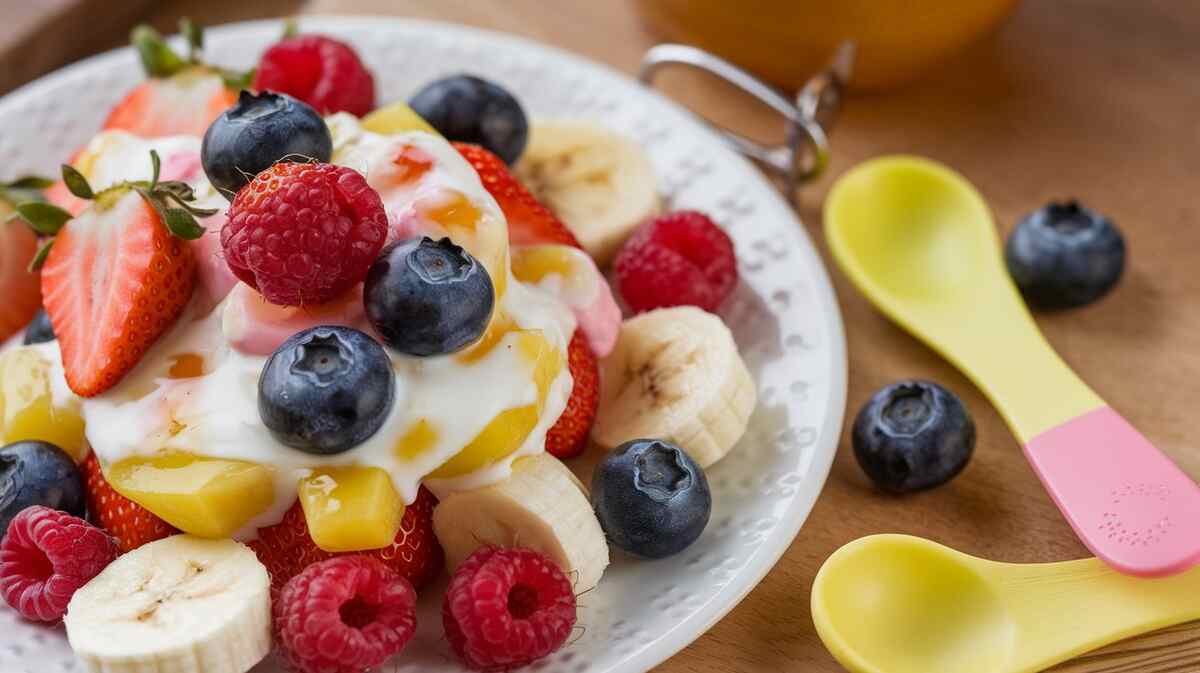
Introducing your baby to solid foods is an exciting thing, one that often comes with curiosity and a little nervousness for parents. After months of bottles or breastfeeding, the moment you see your baby trying something new is priceless. Among the many first food choices, Tutti Frutti baby food is a wonderful way to introduce a rainbow of flavors, textures, and nutrients to your little one.
Packed with natural sweetness, colorful fruits, and endless recipe possibilities, Tutti Frutti baby food can be served as homemade purees or in ready-to-go store-bought blends. Either way, it’s a wholesome way to expand your baby’s taste buds and set the stage for healthy eating habits.
Why Choose Tutti Frutti Baby Food?
Babies are naturally inclined to prefer sweet flavors from birth, which makes fruits an easy win. But there’s more to Tutti Frutti than taste—it’s a nutrient-packed option that supports your child’s growth and development.
Here’s what makes Tutti Frutti baby food such a wise choice:
- Nutrient-rich goodness: Fruits like apples, bananas, peaches, strawberries, blueberries, and mangoes are loaded with vitamins (especially Vitamin C), dietary fiber, and antioxidants that support immunity and digestion.
- Naturally appealing: No added sugar is necessary—fruits bring their own natural sweetness that babies love.
- Gentle on tiny tummies: Most fruits are soft, light, and easy to digest, making them a perfect first food.
- Encourages adventurous eaters: Exposing babies to a variety of flavors early on can reduce picky eating later in childhood.
Think of Tutti Frutti blends as both a nutritious meal and a fun sensory experience—your baby gets to explore new tastes, smells, and colors all at once.
When to Start Tutti Frutti Baby Food
According to the (AAP) American Academy of Pediatrics, babies are typically ready for solids food around 6 months of age. Every child is different, so look out for signs of readiness:
- Your baby can sit up with little or no support.
- They show curiosity about what you’re eating.
- They open their mouth when a spoon is offered.
A good rule of thumb is to introduce one fresh food at a time, waiting 3–5 days before adding another. This way, if an allergy appears, it’s easier to identify the cause.
And remember—when in doubt, check with your pediatrician before introducing new foods.
The Benefits of Homemade Tutti Frutti Baby Food
While store-bought fruit pouches are quick and convenient, making Tutti Frutti baby food at home has its own advantages:
- Freshness you control: You decide exactly what goes into your baby’s meal—no preservatives, fillers, or hidden sugars.
- Customizable texture: You can blend until silky smooth for younger babies or leave small chunks for older ones learning to chew.
- Budget-friendly: Buying fruits in bulk and blending them at home often costs far less than pre-packaged options.
As a parent, you’ll also enjoy the satisfaction of preparing food with love, knowing you’re giving your baby something wholesome and nourishing.
Top 5 Tutti Frutti Baby Food Recipes
To help you get started, here are five easy and nutritious Tutti Frutti recipes you can prepare in minutes.
| Recipe Name | Key Ingredients | Prep Time | Age Suitability |
|---|---|---|---|
| Tropical Delight | Banana, mango, pineapple, yogurt | 5 mins | 6 months+ |
| Berrylicious Mix | Strawberries, blueberries, banana | 5 mins | 7 months+ |
| Apple-Peach Puree | Apple, peach (steamed) | 10 mins | 6 months+ |
| Creamy Banana & Avocado | Banana, avocado | 3 mins | 6 months+ |
| Mixed Fruit Medley | Apple, banana, pineapple, strawberries | 6 mins | 7 months+ |
1. Tropical Delight
This bright blend tastes like sunshine in a bowl.
Ingredients:
- 1 ripe banana
- 1/2 mango
- 1/4 cup pineapple (fresh or canned in natural juice)
- 1/4 cup plain yogurt (optional for creaminess)
Instructions:
- Dice fruits into small chunks.
- Blend until smooth.
- Serve instantly or refrigerate for up to 24 hours.
2. Berrylicious Mix
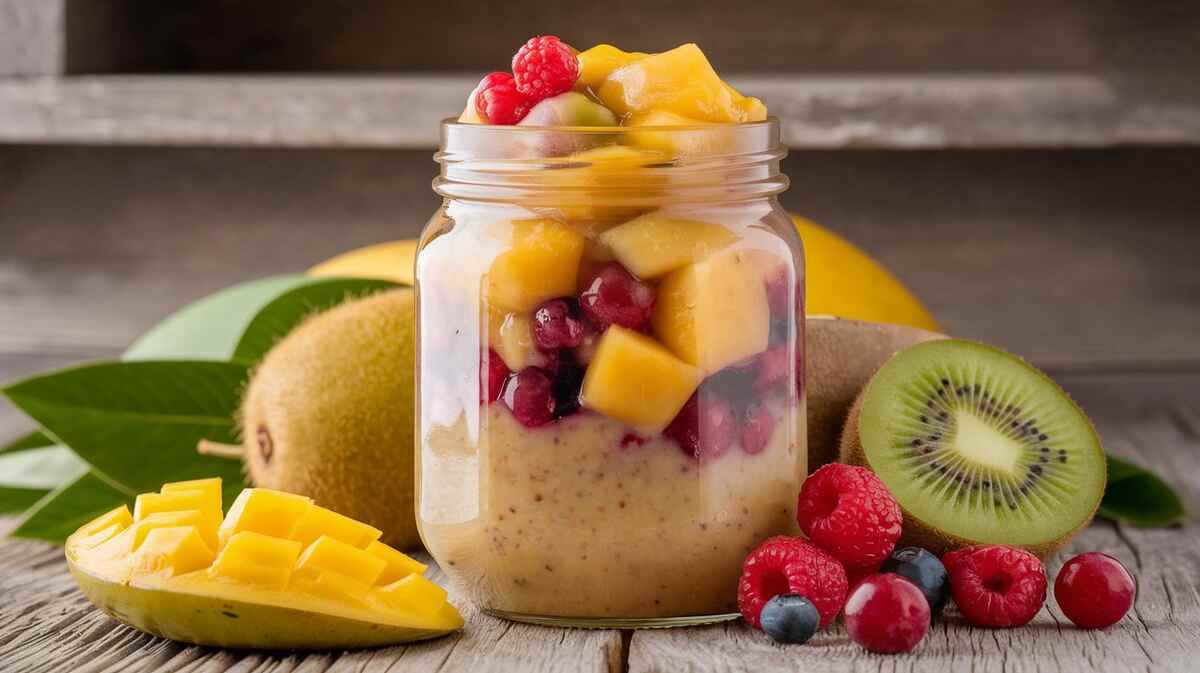
An antioxidant-rich blend that’s vibrant and delicious.
Ingredients:
- 1/2 cup strawberries (hulled)
- 1/2 cup blueberries
- 1 ripe banana
Instructions:
- Rinse the berries thoroughly.
- Blend all ingredients until creamy.
- Serve directly or refrigerate for up to 24 hours.
3. Apple-Peach Puree
It is a classic, gentle blend suitable for early eaters.
Ingredients:
- 1 apple (peeled, cored, and chopped)
- 1 peach (peeled and chopped)
Instructions:
- Steam the apple and peach until tender.
- Blend until smooth.
- Serve fresh or store in the fridge for up to 2 days.
4. Creamy Banana & Avocado
A nutritious and filling option rich in healthy fats.
Ingredients:
- 1 ripe banana
- 1/2 ripe avocado
Instructions:
- Peel & mash the banana and avocado together until creamy.
- Blend if a smoother consistency is desired.
- Serve immediately.
5. Mixed Fruit Medley
It is a delightful blend that introduces various flavors in one meal.
Ingredients:
- 1/2 apple (peeled and chopped)
- 1/2 banana
- 1/4 cup pineapple
- 1/4 cup strawberries
Instructions:
- Blend all ingredients until smooth.
- Serve fresh or store for later use.
Tips for Making Tutti Frutti Baby Food
Storage Guidelines
- Use small airtight containers.
- Refrigerate for up to 48 hours.
- Freeze portions for up to 3 months.
Safety Tips
- Wash fruits thoroughly before preparation.
- Introduce new fruits one by one.
- Avoid honey until after age one.
Enhancing Nutritional Value
- Thin purees with breast milk or formula for younger babies.
- Add yogurt, oats, or chia seeds to babies’ diets over 8 months to increase fiber and protein.
Store-Bought Tutti Frutti Baby Food Options
For busy days, store-bought options can be a lifesaver. Some reliable brands offering high-quality Tutti Frutti baby food:
- Gerber – Known for its pure, fruit-based blends without artificial additives.
- Beech-Nut – Offers organic options with minimal processing.
- Happy Baby – Provides organic, nutrient-rich fruit combinations.
Conclusion
Tutti Frutti baby food isn’t just about feeding your baby—it’s about creating positive first experiences with food. With its natural sweetness, beautiful colors, and variety of flavors, it’s a fantastic way to encourage healthy eating habits from the very beginning. Whether you’re blending fresh fruits at home or reaching for high-quality store-bought options, the goal is the same: giving your baby a nutritious start while enjoying the fun, messy, and joyful process of trying new foods together. So grab those ripe fruits, blend up a rainbow, and watch your baby’s eyes light up with every spoonful.
FAQs
1. Can babies eat pineapple or strawberries early on?
Yes, but start in small amounts. These fruits are safe but can occasionally cause mild reactions. Introduce them separately and watch for any signs of sensitivity.
2. Can I mix fruits with vegetables in purees?
Definitely! Try apple with carrot or banana with spinach for a nutritious twist.
3. How do I know if my baby has a food allergy?
Look out for rashes, vomiting, or diarrhea after introducing a new fruit. Stop feeding it and consult your pediatrician if symptoms appear.
4. Should fruits always be cooked before blending?
Not always. Soft fruits like bananas, mangoes, and berries don’t need cooking. Firmer fruits like apples and pears should be steamed until tender.
5. How often should I feed fruit purees?
Start with 1–2 tablespoons once daily, then slowly increase as your baby becomes more comfortable with solids.